Introduction
In today’s industrial environment, safety, reliability, and quality are more important than ever. Industries such as oil and gas, manufacturing, aerospace, construction, and power generation depend on equipment and structures operating safely and efficiently. Even a small defect in a pipeline, pressure vessel, or structural component can lead to costly failures, environmental damage, or serious safety incidents.
This is where Non-Destructive Testing (NDT) becomes essential.
Non-Destructive Testing is a group of inspection methods used to evaluate materials, components, or systems without causing damage to them. NDT helps industries detect flaws, maintain compliance with international standards, and extend the life of critical assets.
What is Non-Destructive Testing?
Non-Destructive Testing refers to inspection techniques that examine the condition of materials and equipment while keeping them fully operational. Unlike destructive testing, where the sample is damaged or destroyed during examination, NDT allows the tested component to remain in service.
NDT is widely used for:
- Detecting cracks and defects
- Measuring material thickness
- Inspecting weld quality
- Identifying corrosion
- Ensuring structural integrity
- Preventing equipment failure
The primary goal of NDT is to improve safety and reliability while minimizing downtime and operational costs.
Common NDT Methods
1. Ultrasonic Testing (UT)
Ultrasonic Testing uses high-frequency sound waves to detect internal defects and measure material thickness. It is commonly used in pipelines, pressure vessels, and structural steel inspections.
Advantages:
- High accuracy
- Detects internal flaws
- Suitable for thick materials
- Immediate results
2. Radiographic Testing (RT)
Radiographic Testing uses X-rays or gamma rays to inspect the internal structure of materials. This method produces images that reveal defects such as cracks, porosity, or inclusions.
Common applications:
- Weld inspections
- Aerospace components
- Pipeline construction
- Fabrication industries
3. Magnetic Particle Testing (MT)
Magnetic Particle Testing detects surface and near-surface defects in ferromagnetic materials using magnetic fields and fine magnetic particles.
Best used for:
- Weld inspections
- Castings
- Forgings
- Structural steel
4. Liquid Penetrant Testing (PT)
Liquid Penetrant Testing uses a visible or fluorescent dye to reveal surface-breaking defects.
Benefits:
- Simple and cost-effective
- Portable
- Suitable for non-porous materials
5. Visual Testing (VT)
Visual Testing is the most basic and widely used NDT method. Inspectors visually examine components for visible damage, corrosion, misalignment, or surface defects.
Although simple, VT is often the first step in identifying potential problems before advanced inspection methods are applied.
Industries That Rely on NDT
Oil and Gas Industry
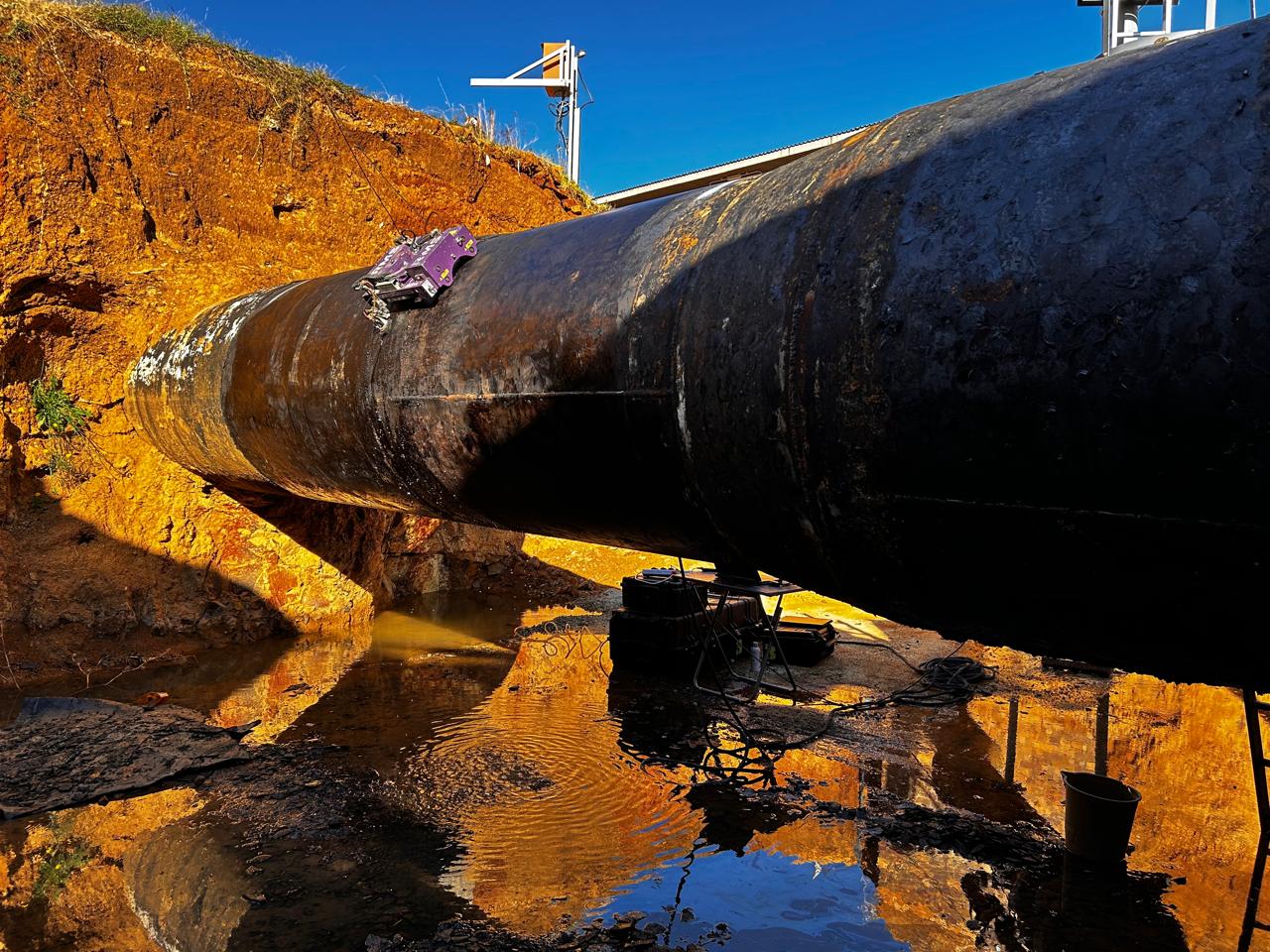
Pipelines, storage tanks, and pressure vessels operate under extreme conditions. NDT helps detect corrosion, cracking, and weld defects before failures occur.
Aerospace Industry
Aircraft components require strict inspection standards to ensure passenger safety. NDT plays a critical role in aircraft maintenance and manufacturing.
Power Generation
Power plants use NDT to inspect boilers, turbines, and heat exchangers to prevent unexpected shutdowns and improve operational efficiency.
Manufacturing Industry
Manufacturers use NDT to maintain product quality, reduce defects, and comply with international standards.
Construction Industry
Bridges, buildings, and infrastructure projects require structural inspections to ensure long-term safety and stability.
Benefits of Non-Destructive Testing
Improved Safety
NDT helps identify defects before they become dangerous failures, protecting workers, equipment, and the environment.
Reduced Costs
Early defect detection reduces repair costs, minimizes downtime, and prevents catastrophic equipment failure.
Increased Reliability
Regular inspections improve equipment reliability and extend asset lifespan.
Compliance with Standards
Many industries require compliance with standards such as:
- ISO 9712
- ASNT
- API
- AWS
NDT helps organizations meet these regulatory and safety requirements.
Non-Invasive Inspection
Because the material is not damaged during testing, equipment can often remain in service during inspections.
The Importance of Certified NDT Personnel
Qualified inspectors are essential for accurate and reliable testing. Certifications such as PCN and ISO 9712 ensure technicians have the necessary skills and competence to perform inspections according to international standards.
Certified personnel contribute to:
- Accurate inspection results
- Improved safety standards
- Regulatory compliance
- Higher customer confidence
Future Trends in NDT
Technology continues to improve the effectiveness of NDT inspections. Emerging trends include:
- Digital radiography
- Automated ultrasonic testing
- Drone inspections
- Artificial intelligence in defect analysis
- Remote inspection systems
These innovations are helping industries perform inspections faster, safer, and more accurately.
Conclusion
Non-Destructive Testing is a critical part of modern industry. By detecting defects early and ensuring the integrity of equipment and structures, NDT improves safety, reduces costs, and supports operational reliability across multiple sectors.
As industries continue to grow and safety standards become stricter, the demand for skilled NDT professionals and advanced inspection technologies will continue to increase.
Organizations that invest in quality NDT services and certified personnel position themselves for safer operations, better compliance, and long-term success.
Recent Posts