



What is the method?
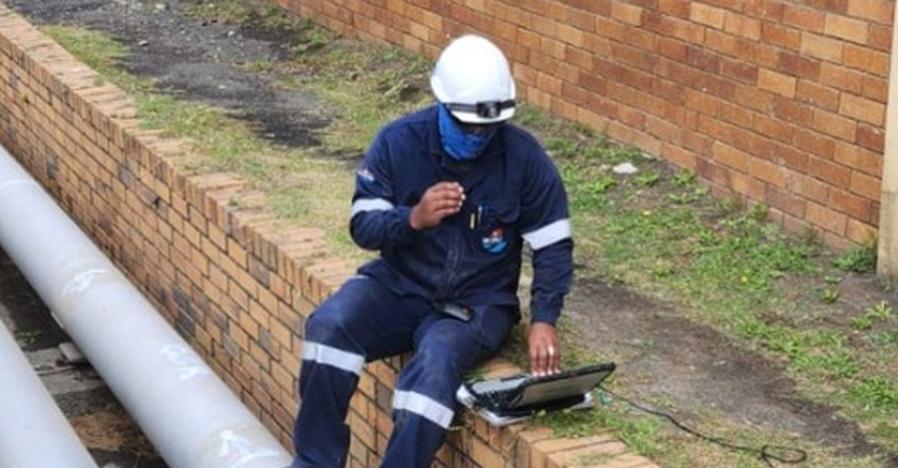
CUPS refers to corrosion occurring at the interface between a pipe and its support arrangement, such as shoes, saddles, clamps, guides, or sleepers. Inspection may include specialised UT, PAUT, radiography, guided wave methods, and QSR (Quantitative Short Range).
Application
CUPS refers to corrosion occurring at the interface between a pipe and its support arrangement, such as shoes, saddles, clamps, guides, or sleepers. Inspection may include specialised UT, PAUT, radiography, guided wave methods, and QSR (Quantitative Short Range).
Key Benefits
- Targets a high-risk corrosion mechanism in piping systems.
- Helps prevent failures at support locations.
- Supports maintenance prioritisation and repair planning.
- Can be integrated into broader piping integrity and corrosion management programmes.
- QSR improves coverage of short-range support-adjacent areas.
Inspection Capabilities
- Focuses specifically on the pipe-support interface, one of the most difficult inspection zones to assess.
- QSR improves assessment of short pipe sections and support-adjacent areas where corrosion is often localised and hidden.
- Particularly useful for revealing wall loss in contact zones, moisture traps, and shielded support regions.
- Supports targeted evaluation of a known failure hotspot that may escape normal corrosion monitoring routes.
Limitations
- Access to the actual contact area remains difficult.
- Pipe lifting or support modification may still be required.
- Corrosion is often highly localised and not represented by nearby readings.
- Follow-up direct verification may still be necessary.