




Pipeline networks are the backbone of industries such as oil and gas, water distribution, petrochemicals, and energy. Hidden beneath the ground and stretching across vast distances, these pipelines transport essential resources that power economies and support daily life. Ensuring their safety and reliability is therefore a critical responsibility — and this is where advanced pipeline inspection technology plays a vital role.
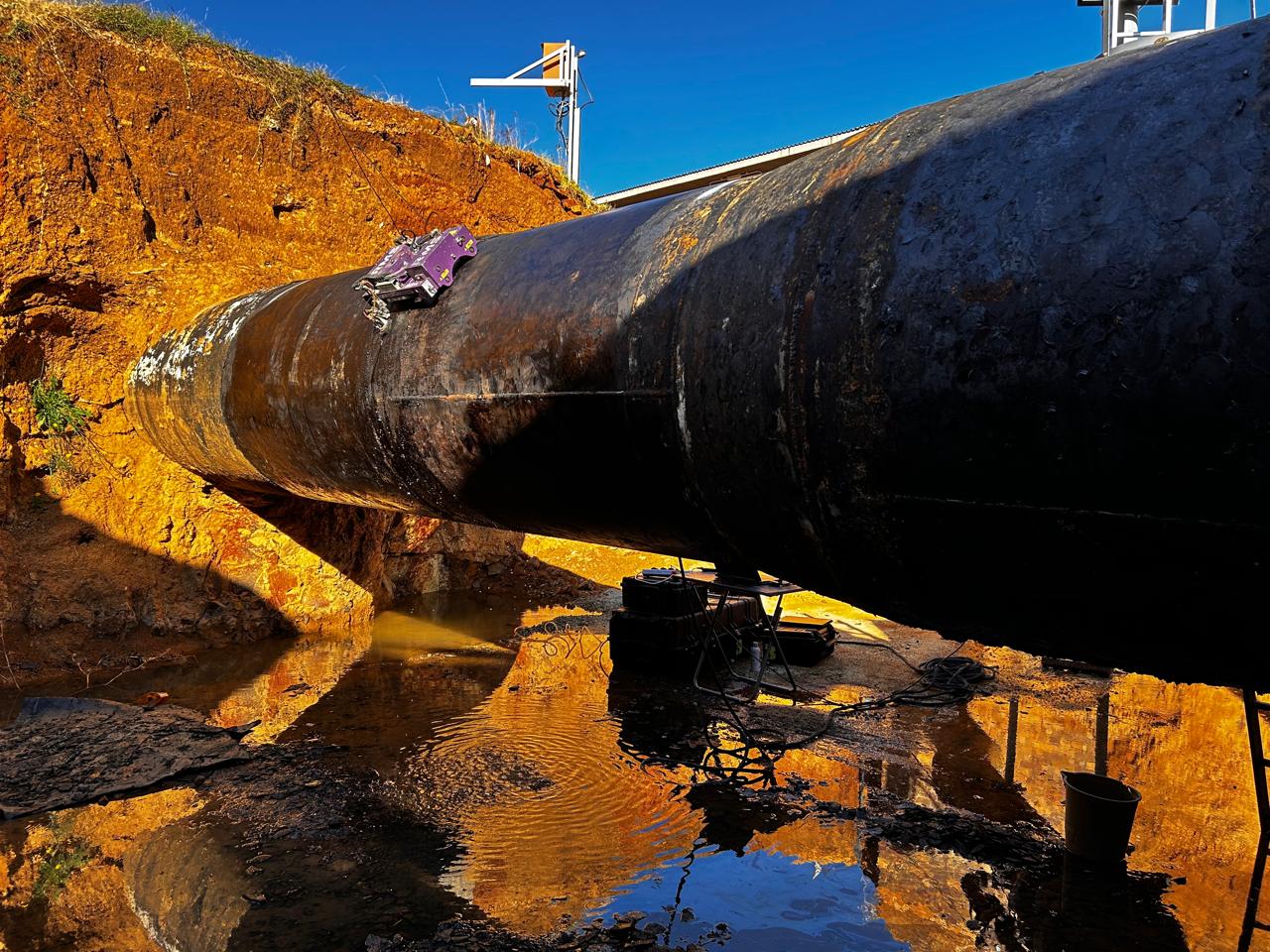
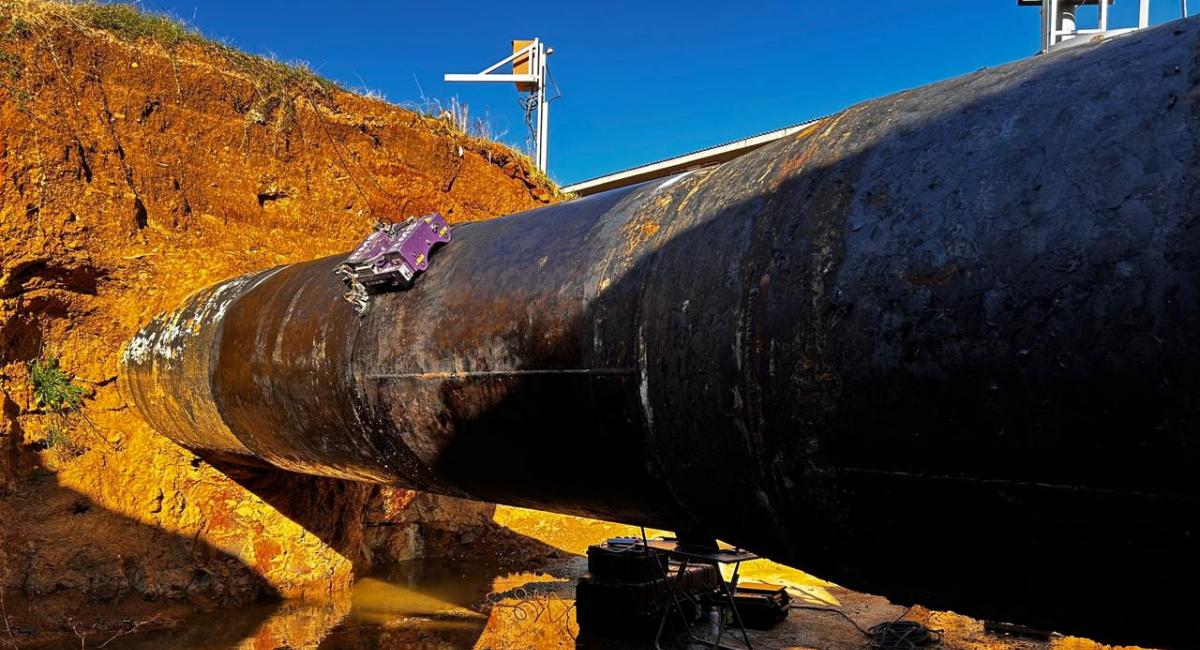
The image above showcases an automated ultrasonic inspection scanner mounted directly onto a large-diameter pipeline during field operations. This type of equipment is commonly used in Non-Destructive Testing (NDT) to assess pipeline integrity without damaging the asset itself.
What Is Pipeline Inspection?
Pipeline inspection involves evaluating the condition of pipelines to detect defects, corrosion, cracks, weld imperfections, or wall thinning before they become serious failures. Modern inspection techniques allow operators to identify issues early, helping prevent leaks, environmental incidents, costly downtime, and safety hazards.
Inspection methods are typically used during:
- New pipeline construction
- Pipeline commissioning
- Routine maintenance programs
- Integrity management projects
- Repair and rehabilitation work
The Importance of Non-Destructive Testing (NDT)
Non-Destructive Testing is essential because it allows inspectors to examine materials and welds without cutting, damaging, or interrupting pipeline operations. Technologies such as Automated Ultrasonic Testing (AUT) and Phased Array Ultrasonic Testing (PAUT) have transformed the industry by delivering highly accurate results in real time.
The scanner shown in the image is designed to travel along the pipe surface while ultrasonic probes inspect the weld area and pipe wall thickness. These systems can detect:
- Internal corrosion
- Lack of fusion in welds
- Cracking
- Material defects
- Wall loss and erosion
Because inspections are automated, the data collected is more consistent, traceable, and reliable compared to manual inspection methods.
Why Pipeline Integrity Matters
Pipeline failures can have severe consequences, including:
- Environmental contamination
- Production shutdowns
- Financial losses
- Regulatory penalties
- Risks to public and worker safety
Regular inspection programs help operators maintain compliance with international standards while extending the lifespan of critical infrastructure assets.
In sectors such as oil and gas, where pipelines often operate under high pressure and harsh environmental conditions, proactive integrity management is not optional — it is essential.
The Future of Pipeline Inspection
Technology continues to advance rapidly in the NDT industry. Modern systems now incorporate:
- Digital data acquisition
- Real-time defect analysis
- Remote monitoring
- Robotics and automation
- AI-assisted interpretation
These innovations improve inspection speed, accuracy, and safety while reducing operational downtime.
As infrastructure ages and global energy demands continue to grow, advanced pipeline inspection will remain a cornerstone of safe and efficient operations.
Final Thoughts
Pipeline inspection is more than a technical requirement — it is a critical investment in safety, reliability, and environmental protection. Advanced NDT technologies provide the confidence needed to operate pipelines responsibly while minimizing risk and maximizing operational efficiency.
The image above is a powerful example of how modern inspection systems are helping industries maintain the integrity of vital infrastructure every day.
Recent Posts