What is the method?
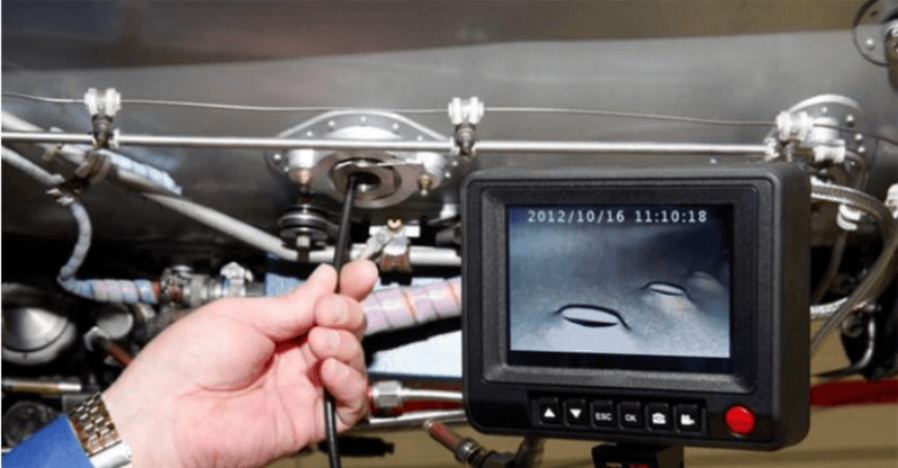
Endoscope Inspection, also known as borescope or remote visual inspection (RVI), uses rigid or flexible optical instruments fitted with a camera and lighting system to inspect internal, enclosed, or inaccessible areas without major dismantling.
Application
Endoscope Inspection, also known as borescope or remote visual inspection (RVI), uses rigid or flexible optical instruments fitted with a camera and lighting system to inspect internal, enclosed, or inaccessible areas without major dismantling.
Key Benefits
- Reduces the need for intrusive dismantling.
- Enables inspection of inaccessible internal areas.
- Provides photographic and video records.
- Useful for maintenance planning and troubleshooting.
Inspection Capabilities
- Provides direct visual access to internal cavities and confined spaces that cannot be assessed with standard VT.
- Particularly valuable for identifying fouling, deposits, blockages, erosion patterns, loose parts, and internal mechanical damage.
- Allows rapid internal condition screening without cutting open equipment.
- Supports confirmation of internal condition before selecting further NDT methods.
Limitations
- Primarily a visual method.
- Limited quantitative flaw sizing unless measurement capability is built in.
- Requires suitable access points.
- Image quality depends on cleanliness, lighting, and geometry.